TRY SPACENODE
>>
VIEW PROJECT

What is Spacenode?
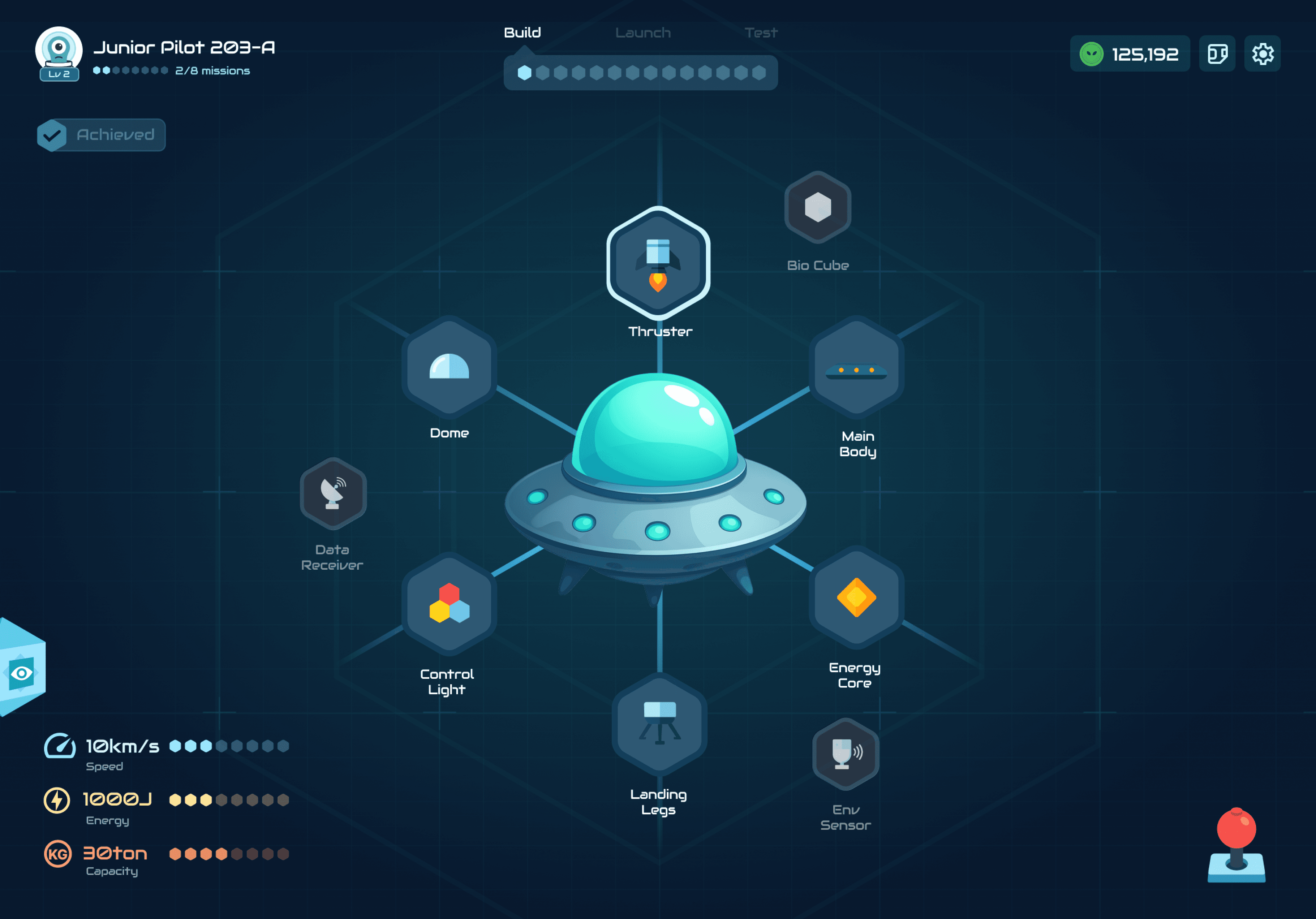
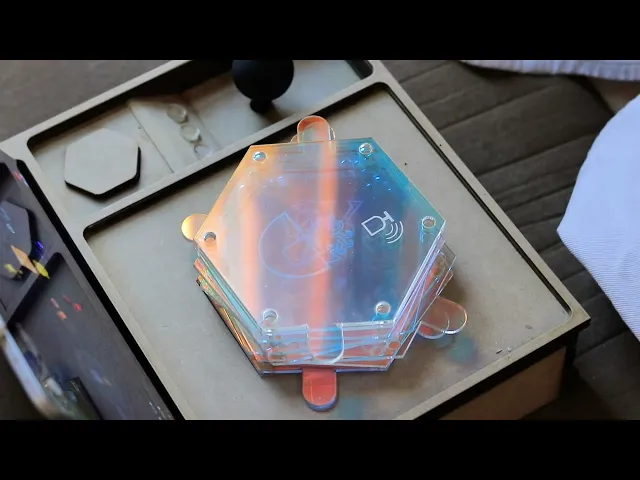
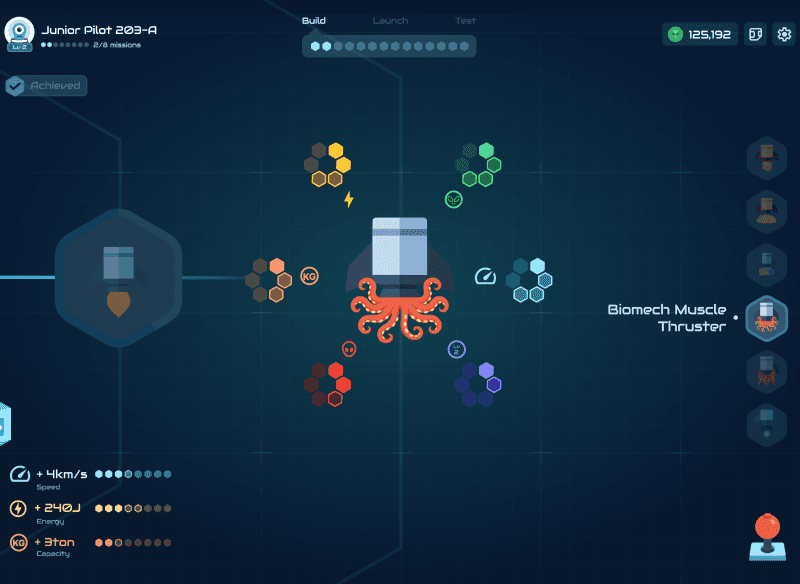
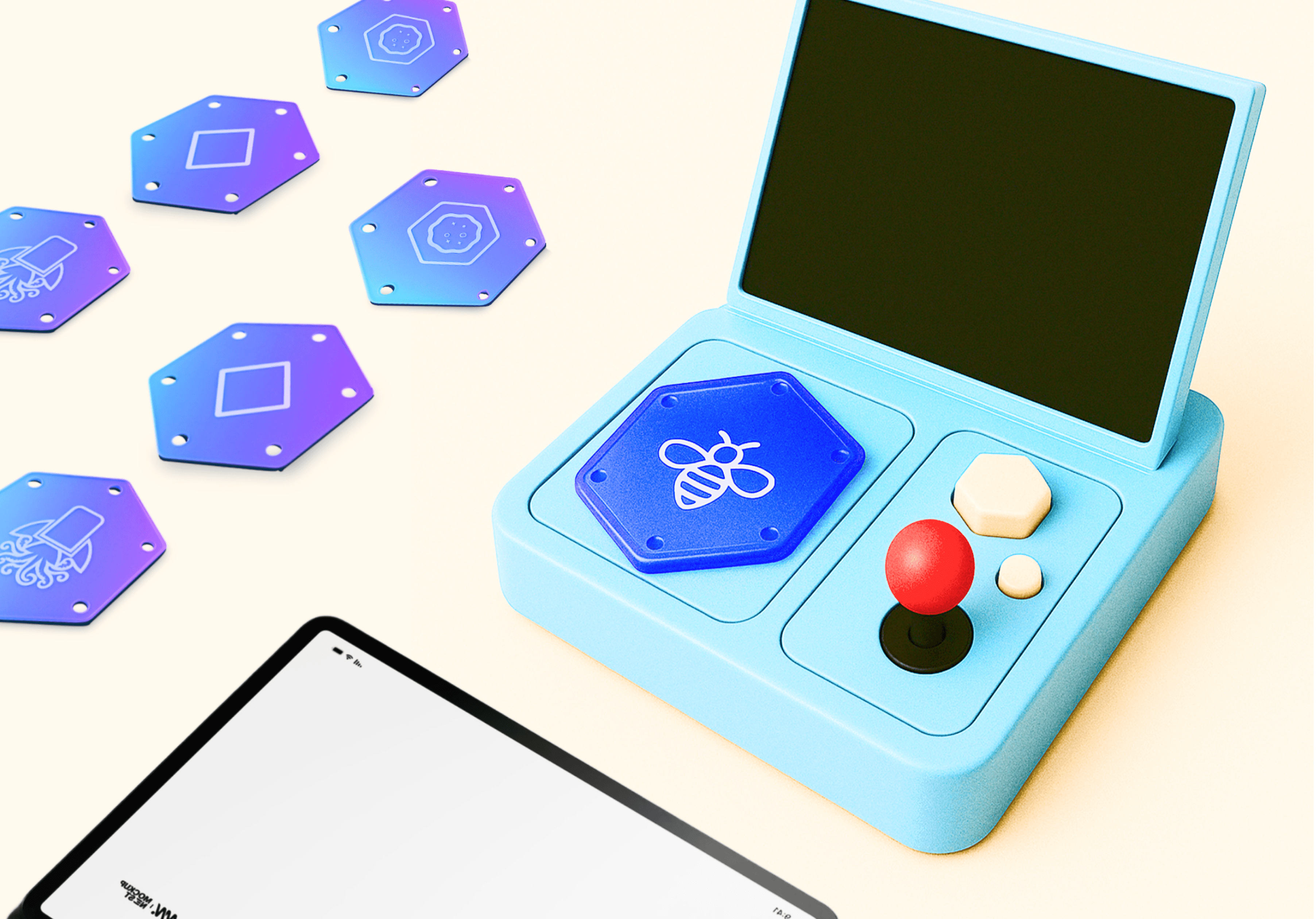
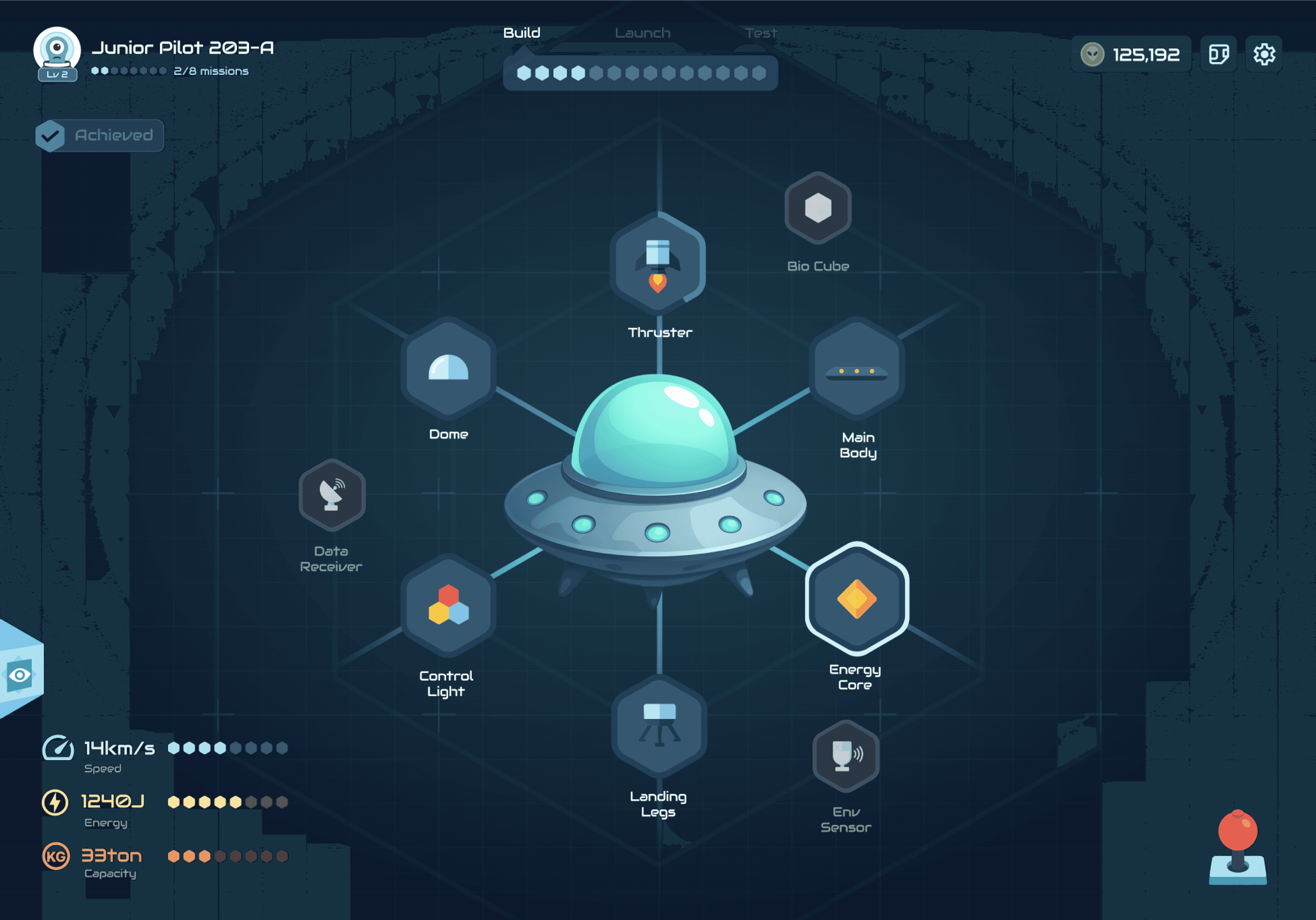
Imagine if the spaceship you built with blocks could actually fly in a video game. SpaceNode is a physical controller where you snap together hexagonal modules to build your own UFO. Every block you add immediately changes your ship's stats on the iPad screen—like adding a thruster boosts speed but also adds weight and drains energy. Instead of memorizing boring physics formulas, you learn by tweaking and testing your design to beat real space missions.
During the research we found
STEM can feel unapproachable or less exciting for many kids.
Define the problem
HMW Transform tedious astrophysics lessons into a fun, beginner-friendly experience that kids can easily explore and enjoy on their own?
We designed
We designed
Spacenode
Spacenode

SpaceNode lets you build a physical UFO that actually flies in a game. Snap modules together and watch stats like speed and energy update instantly on your iPad. It’s hands-on rocket science without the boring formulas—think Lego meets a space flight simulator.



Try Spacenode
01
Mission
02
Build UFO
03
Launch UFo
04
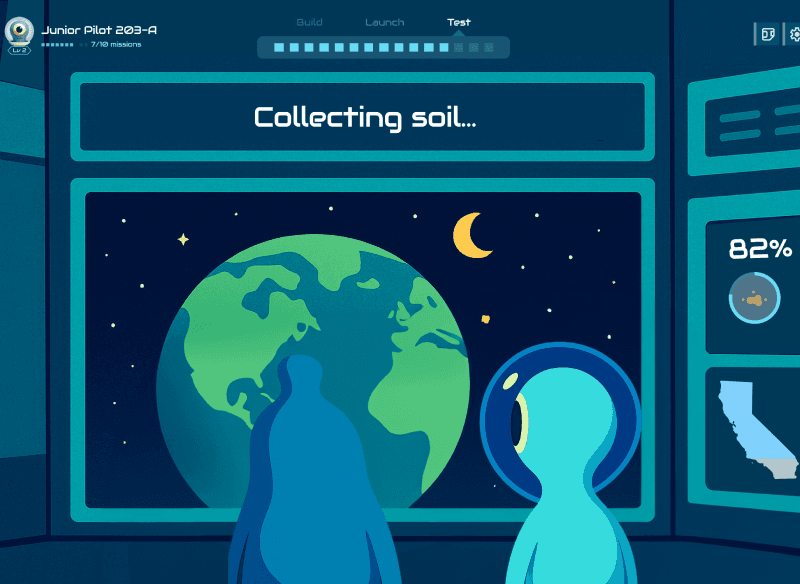
Test UFo
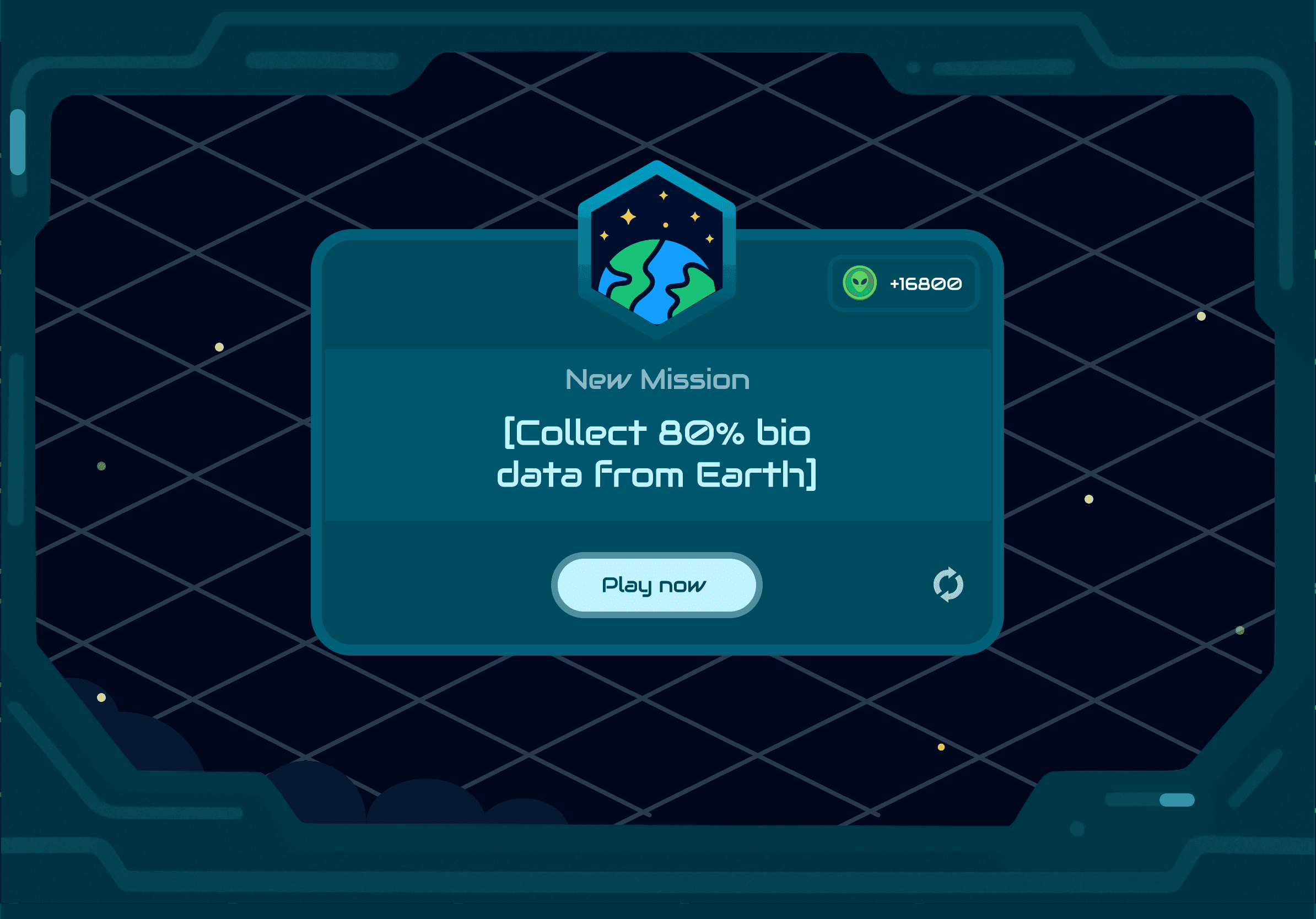
Understand mission to complete
Build with physical blocks
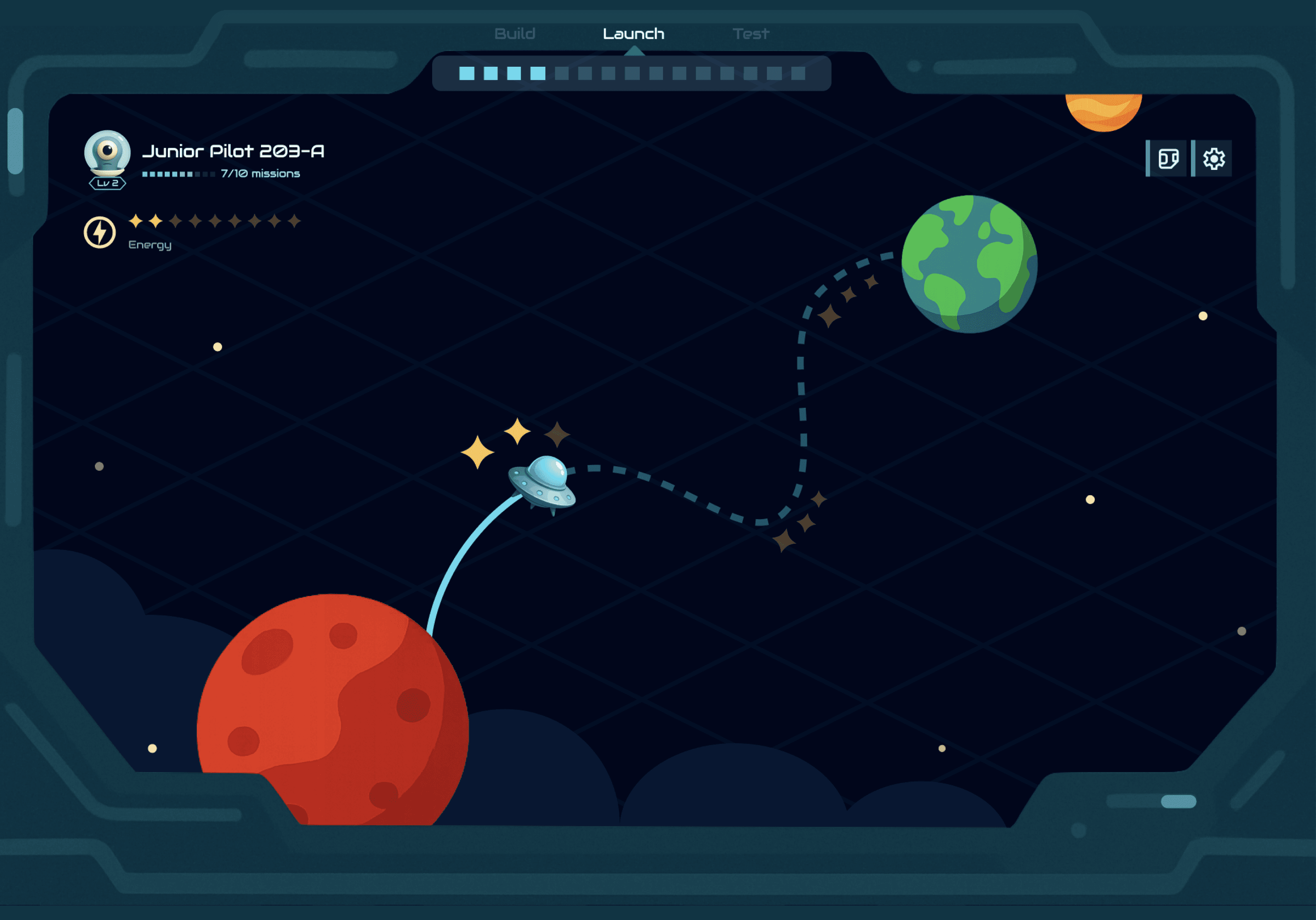
Follow trajectory of path
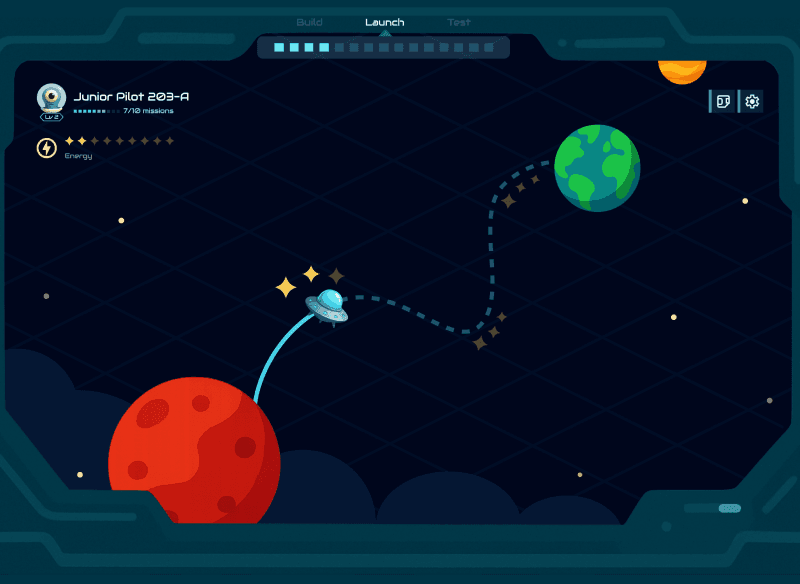
Achieve mission
01
Mission
Refresh New Mission
Generated at random depending on user level
Alien Coins
Earned to purchase advanced components in build
03
LAUNCH
1
Take off
2
Follow trajectory
3
Arrive destination
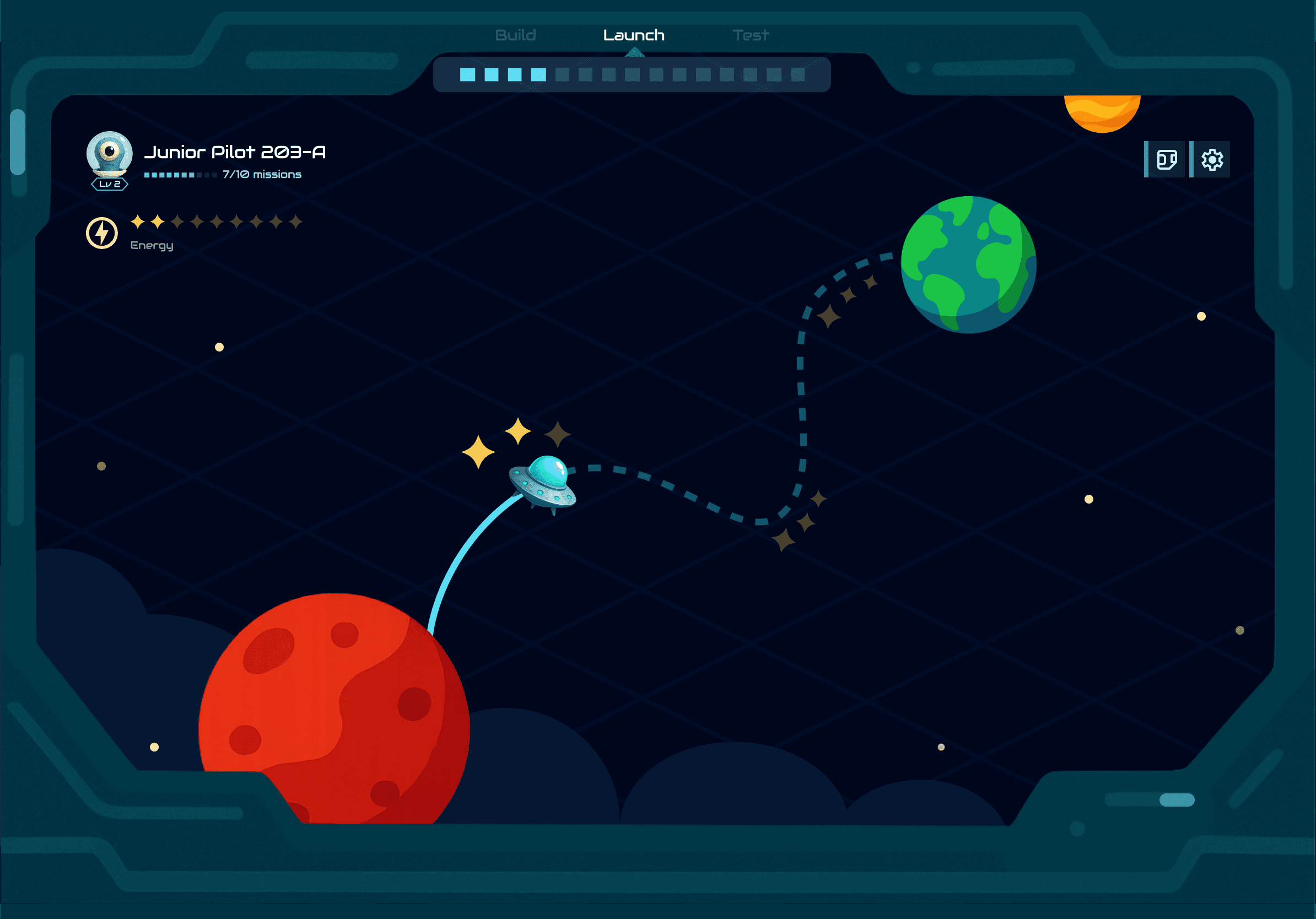
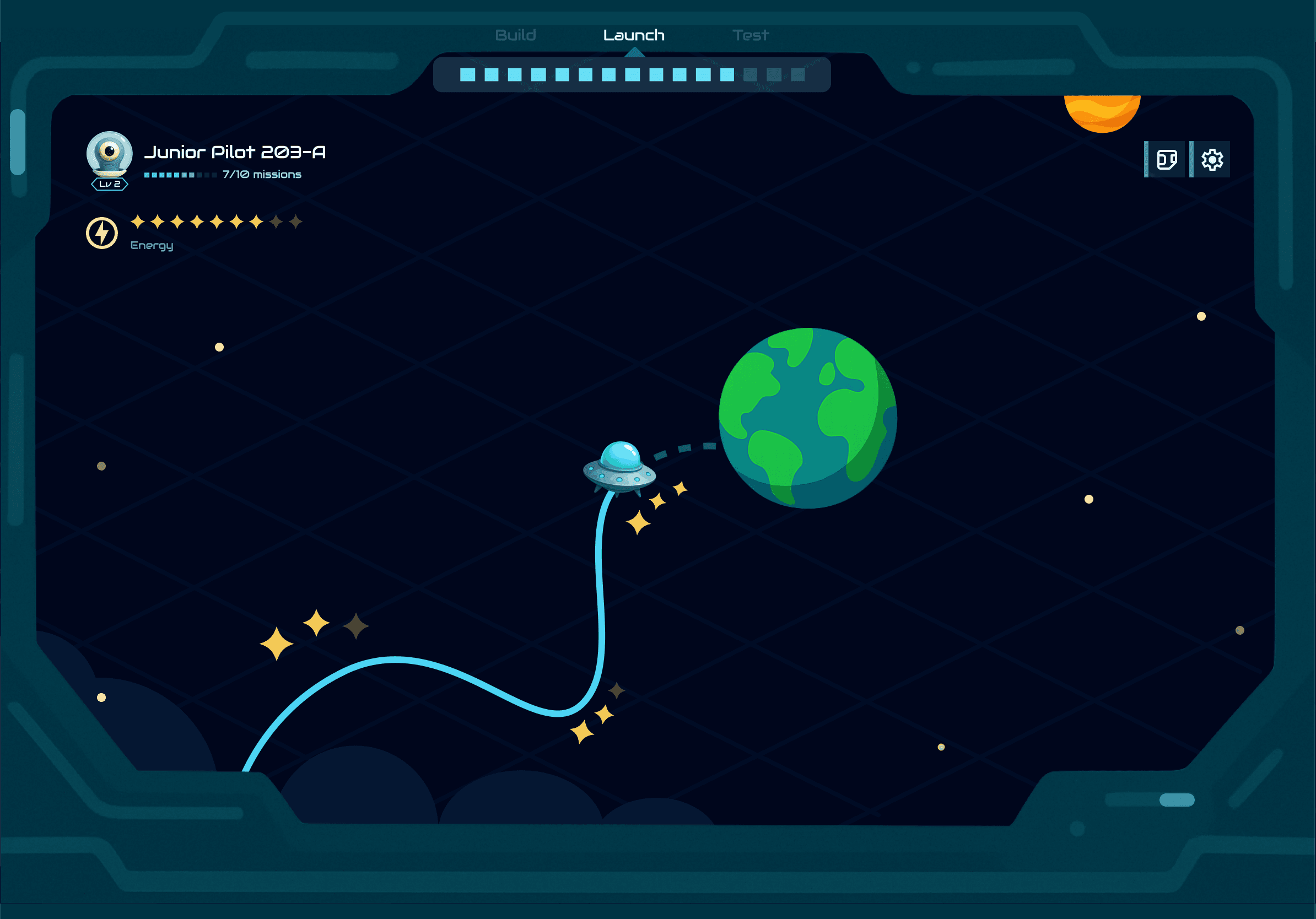
Use wiggle stick to control path
Get all stars to save energ → more coins

04
TEST

Research
Kids needs spark in STEM
56%
Parents report their 8-12 children participate in STEM activities at least twice a week in afterschool programs.
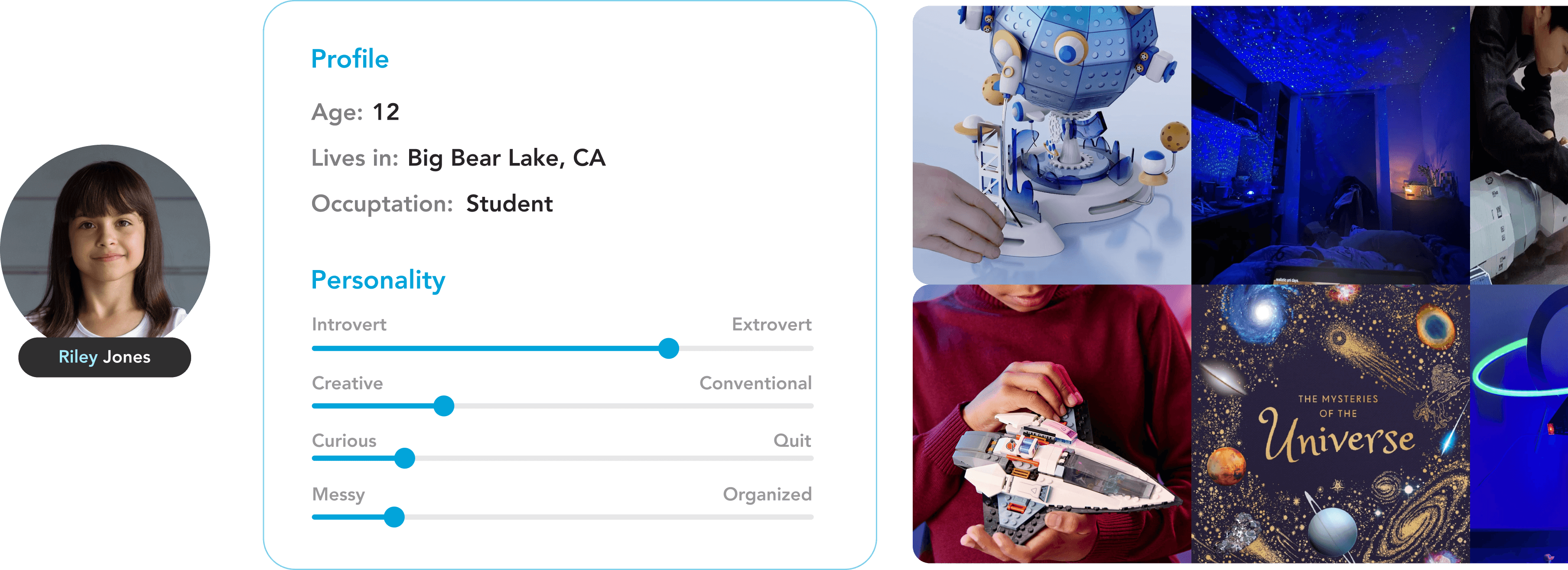
Persona
Idea Iterations
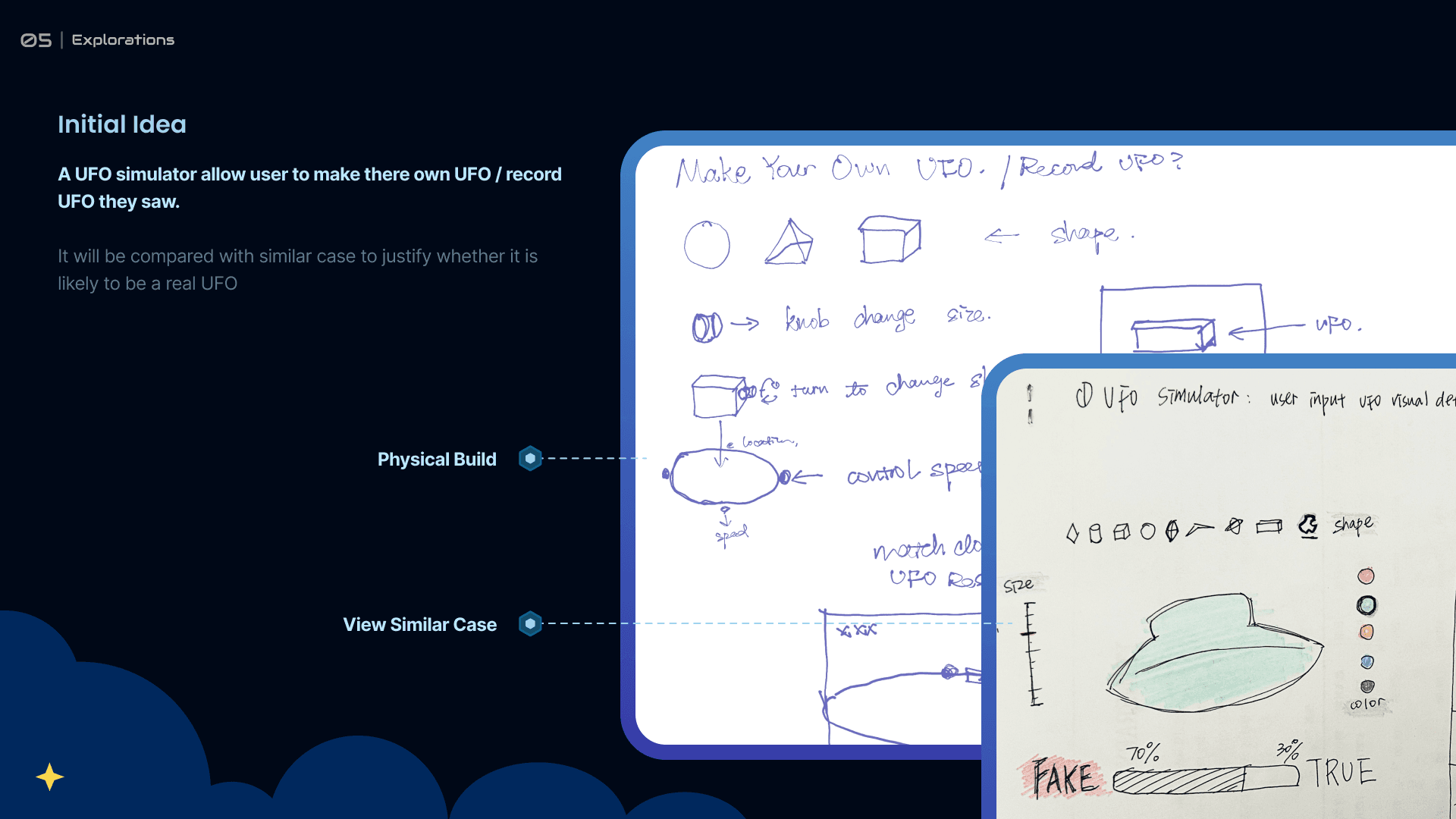
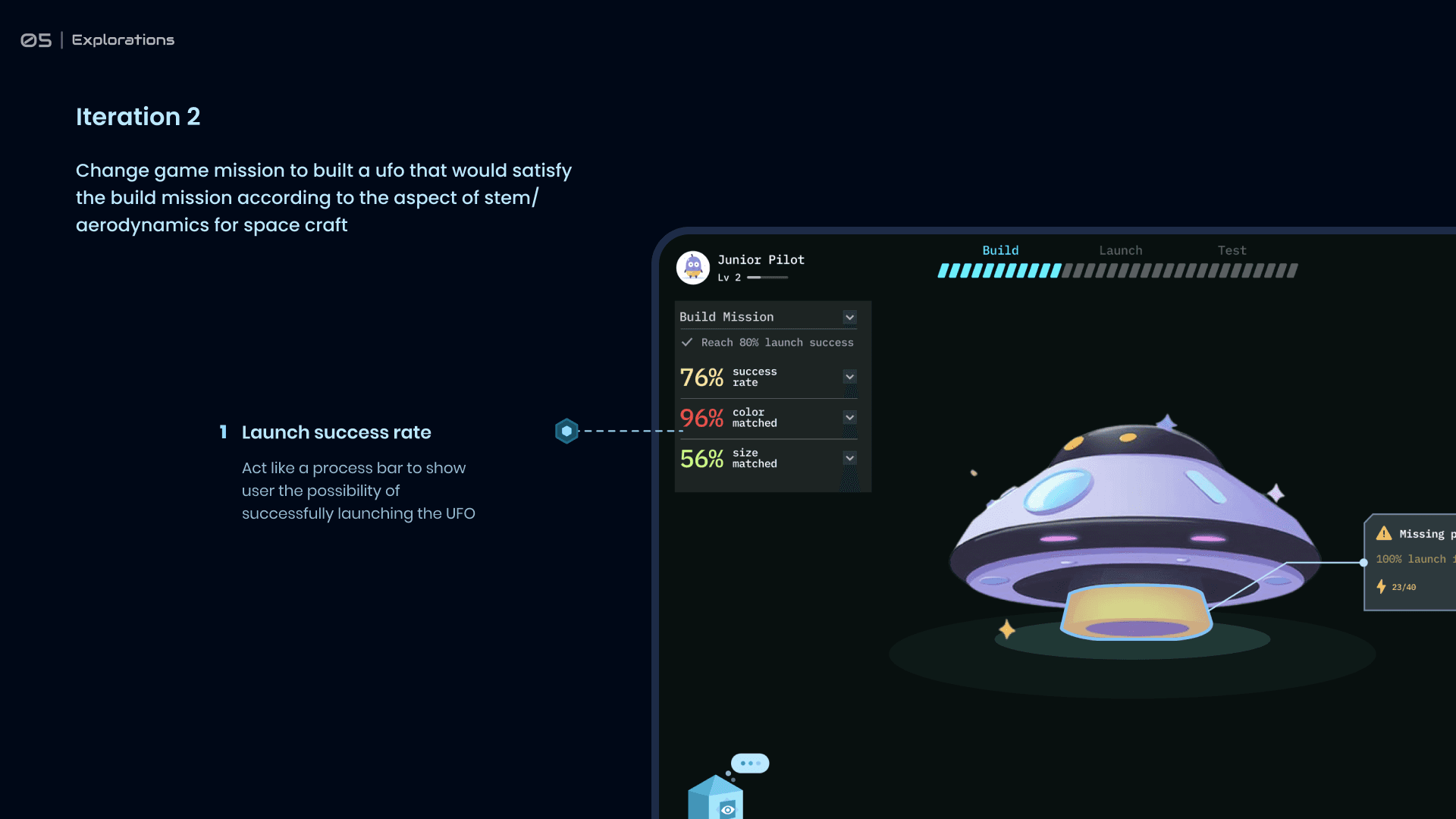
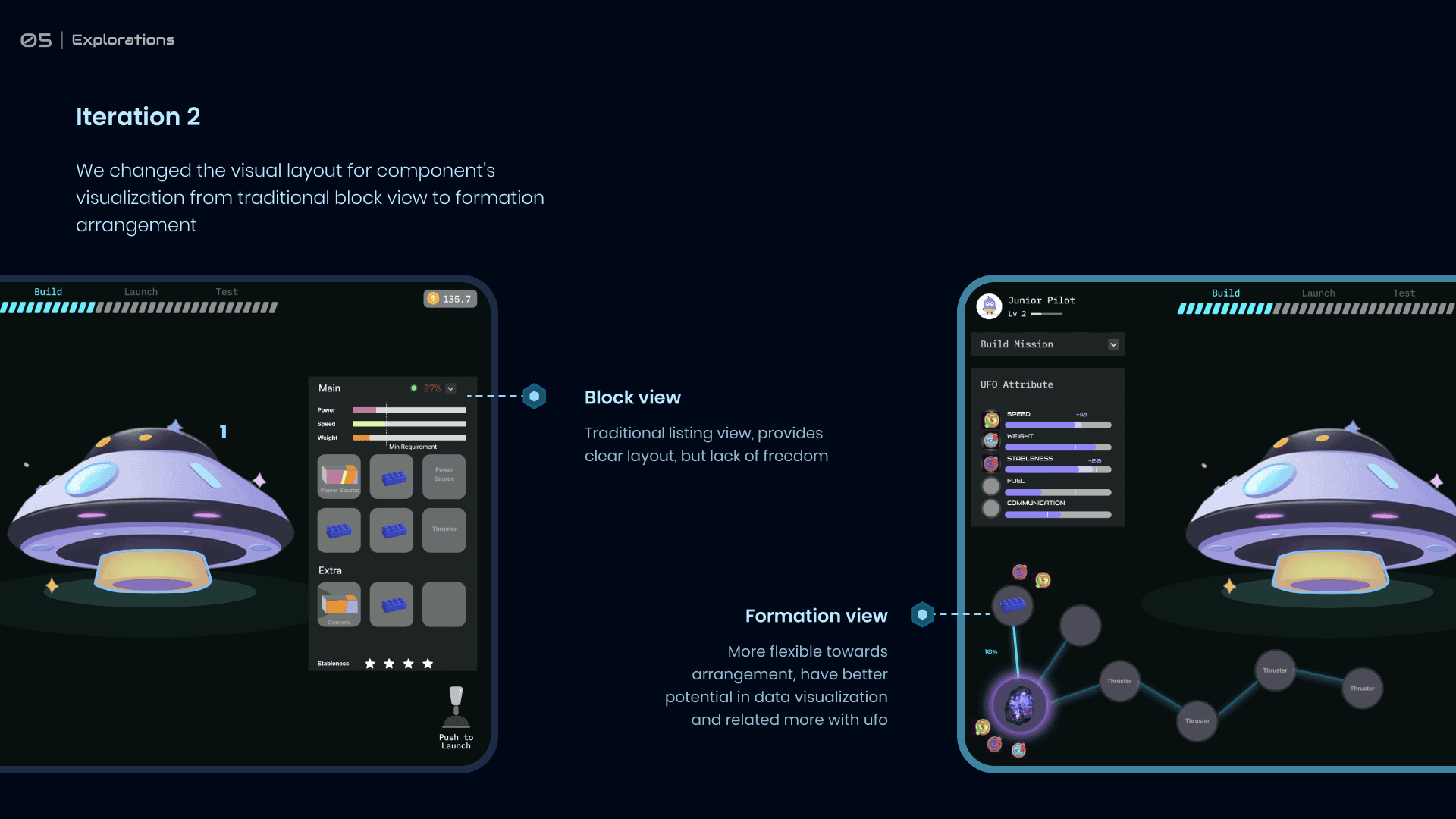
We explored multiple ideas throughtout the iteration
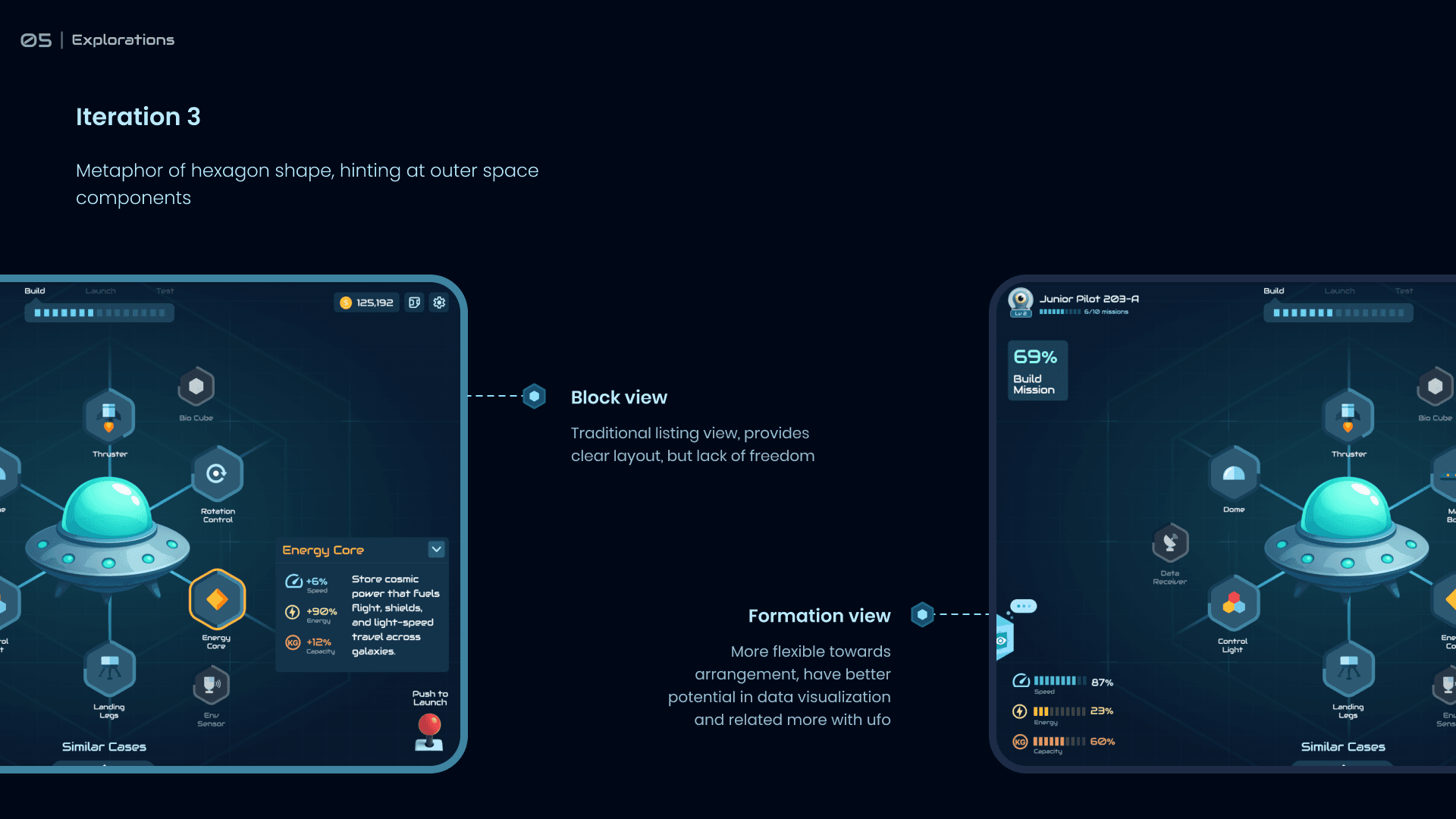
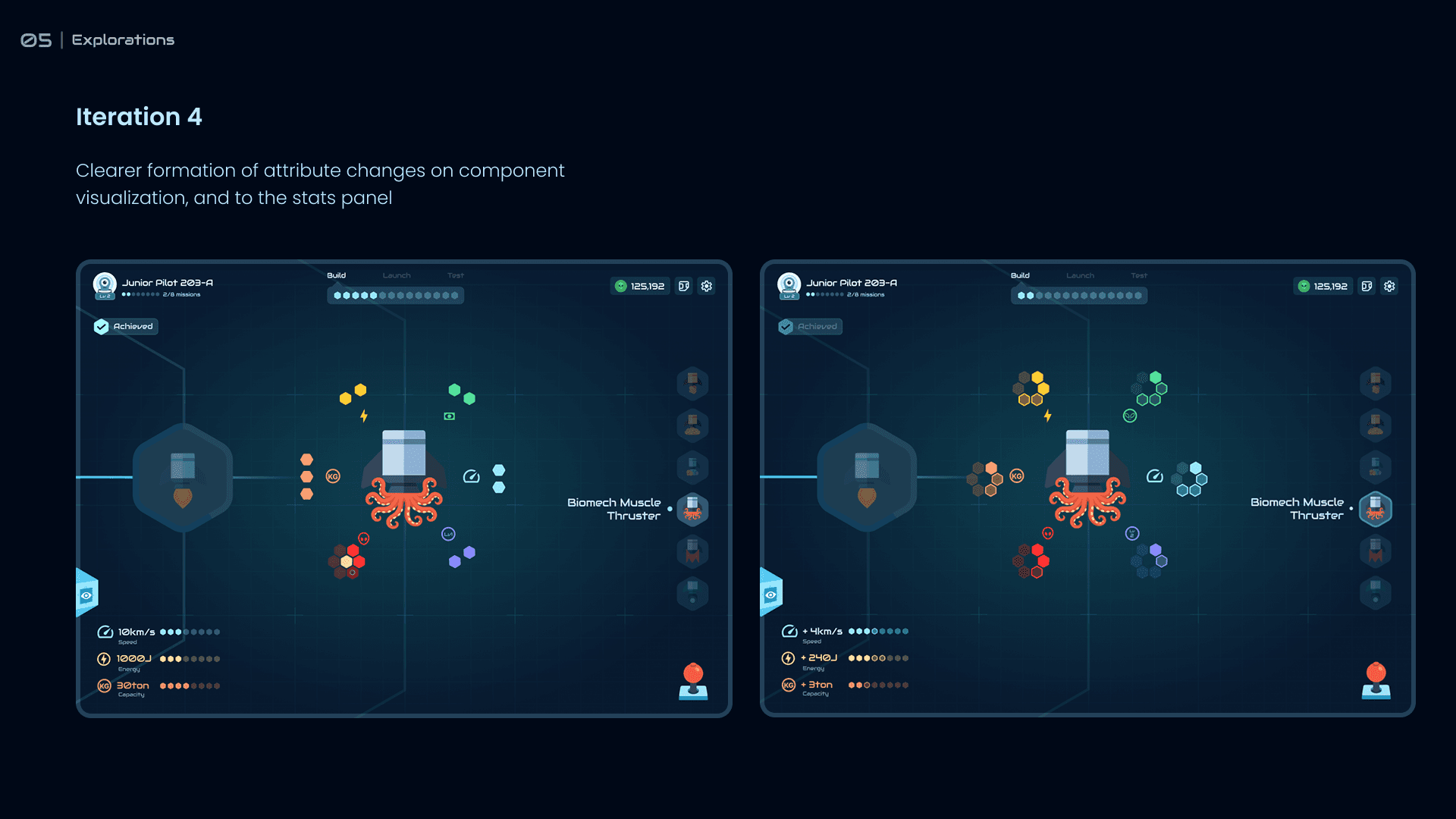
key Design Decision
Engineer thinking, education, playful
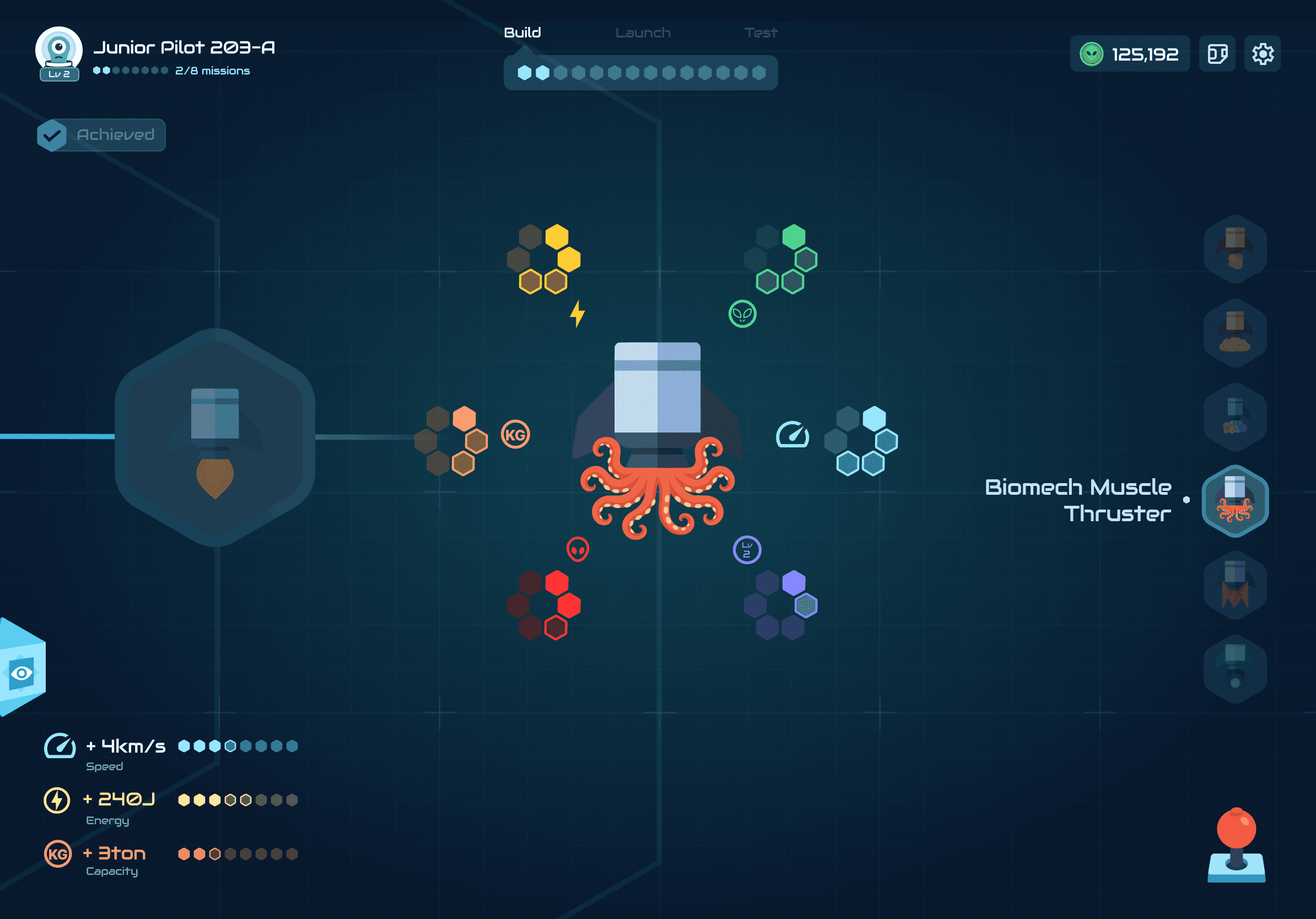
Each block has there own attributes, combine blocks to optimize the UFO’s ability to achieve the task.
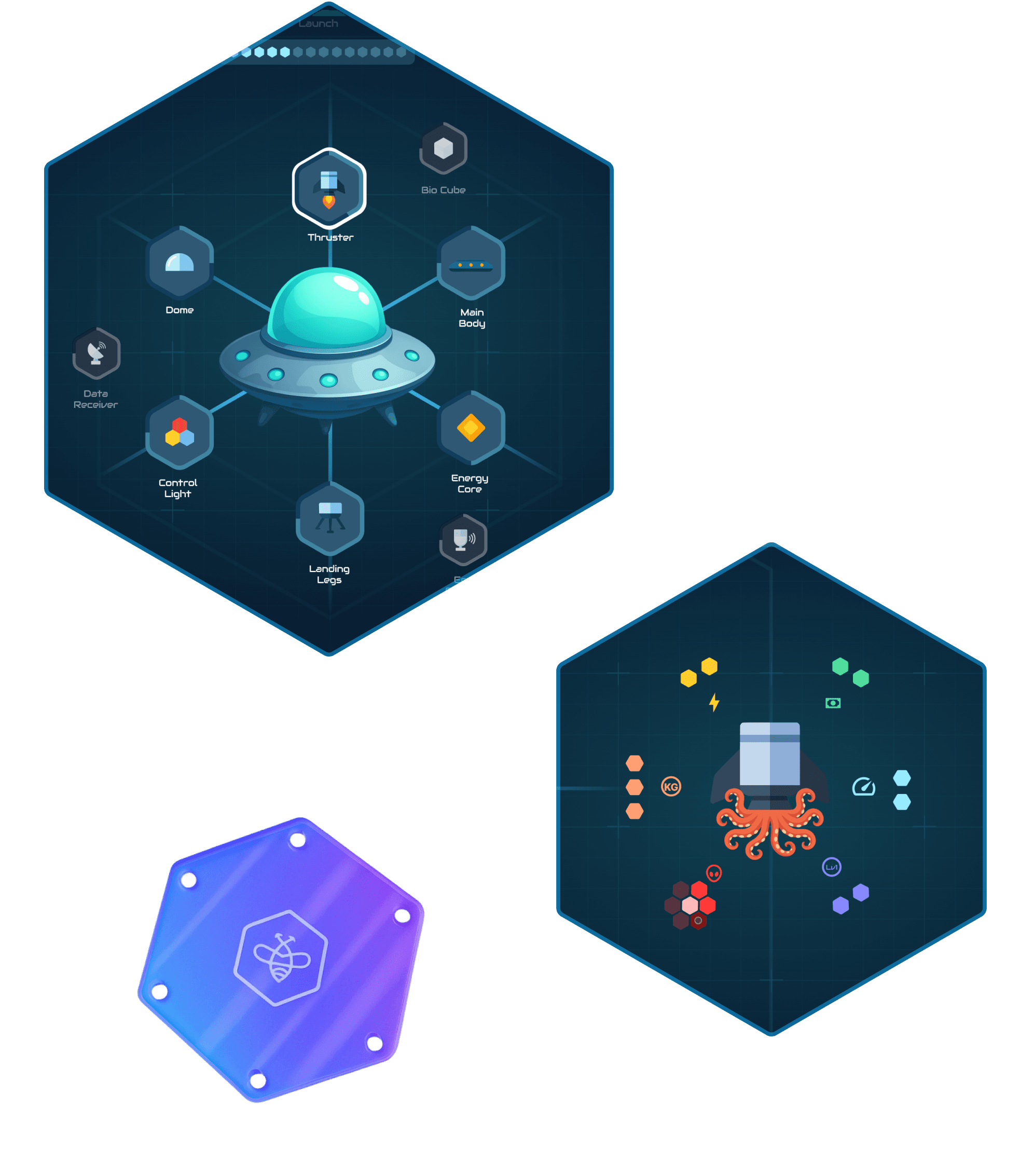
Hexagon as design language for interface
Hexagon brings a scientific style, which use accorded SpaceNode’s interface & block piece
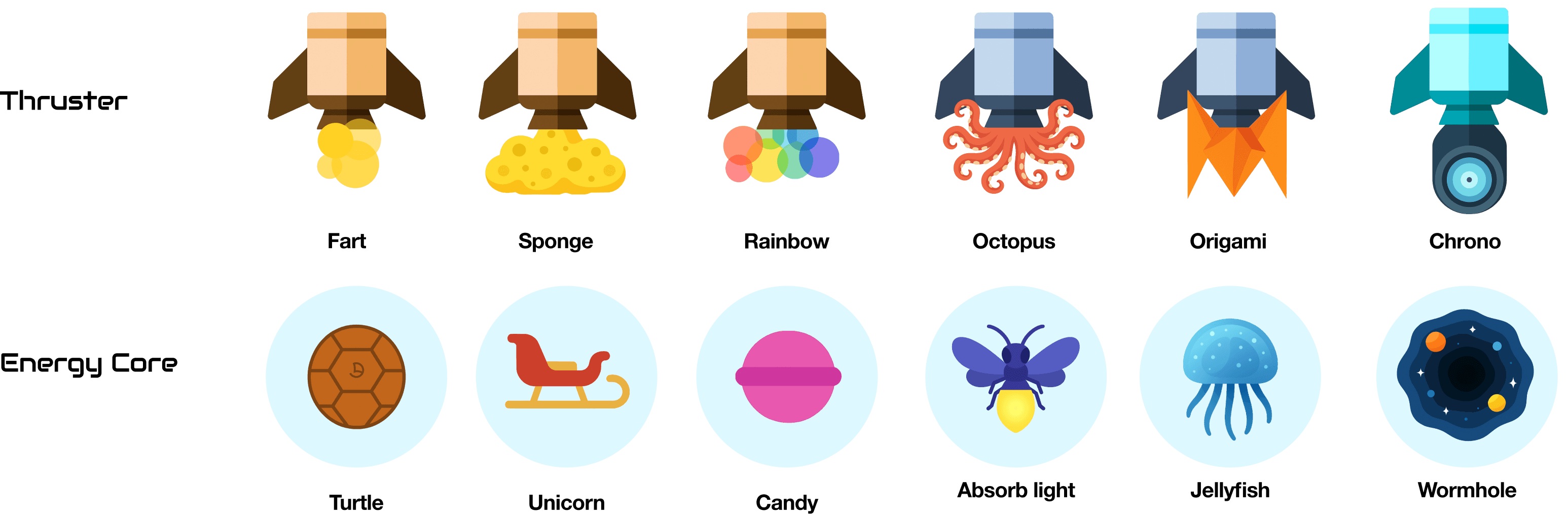
Organism Metaphor
Introduced playful elements like Riley’s alien perspective, a fart thruster, and a jellyfish energy core.
Hands off from Screen
We wanted Riley to interact with the screen without needing to reach for it.
Designed a joystick to browse puzzle pieces and launch the UFO.
Takeaways
Real-time Interactive Feedback Enhances Learning
Real-time Interactive Feedback Enhances Learning
Implementing live visual feedback (such as trajectory paths and see block promotion while building ufo) effectively guided decision-making, promoted iterative improvement, and deepened users’ understanding of cause-and-effect relationships.
Implementing live visual feedback (such as trajectory paths and see block promotion while building ufo) effectively guided decision-making, promoted iterative improvement, and deepened users’ understanding of cause-and-effect relationships.
Visualizing Complex Data Through Familiar Metaphors
Visualizing Complex Data Through Familiar Metaphors
Translating abstract ufo/space craft data into relatable visual metaphors (playful UFO designs, component formation) allowed users to intuitively grasp and interact with complex information, improving accessibility and comprehension.
Translating abstract ufo/space craft data into relatable visual metaphors (playful UFO designs, component formation) allowed users to intuitively grasp and interact with complex information, improving accessibility and comprehension.
01
Mission
02
BUILD