Design OBJEctives
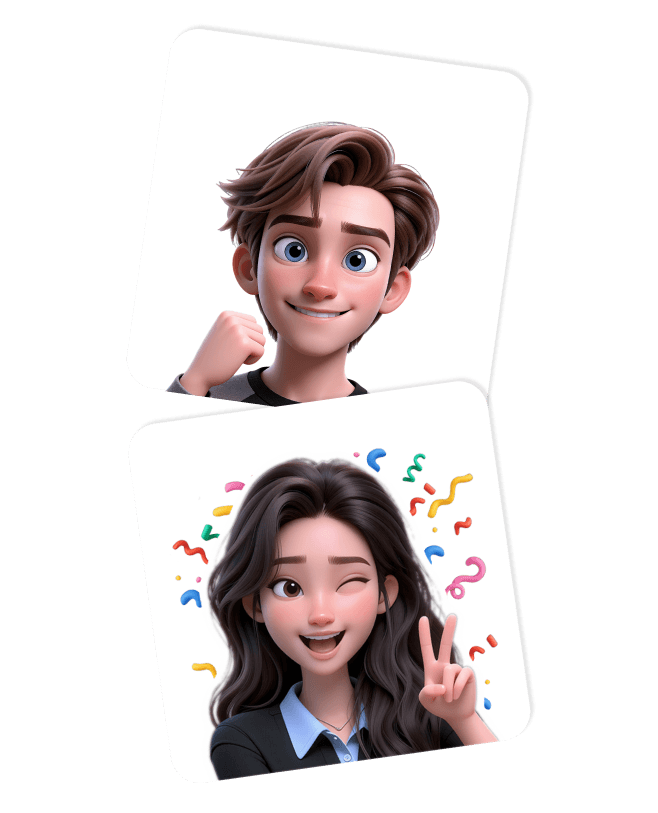
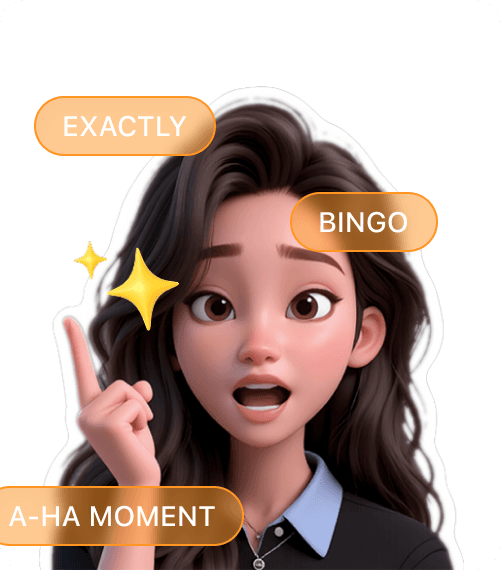
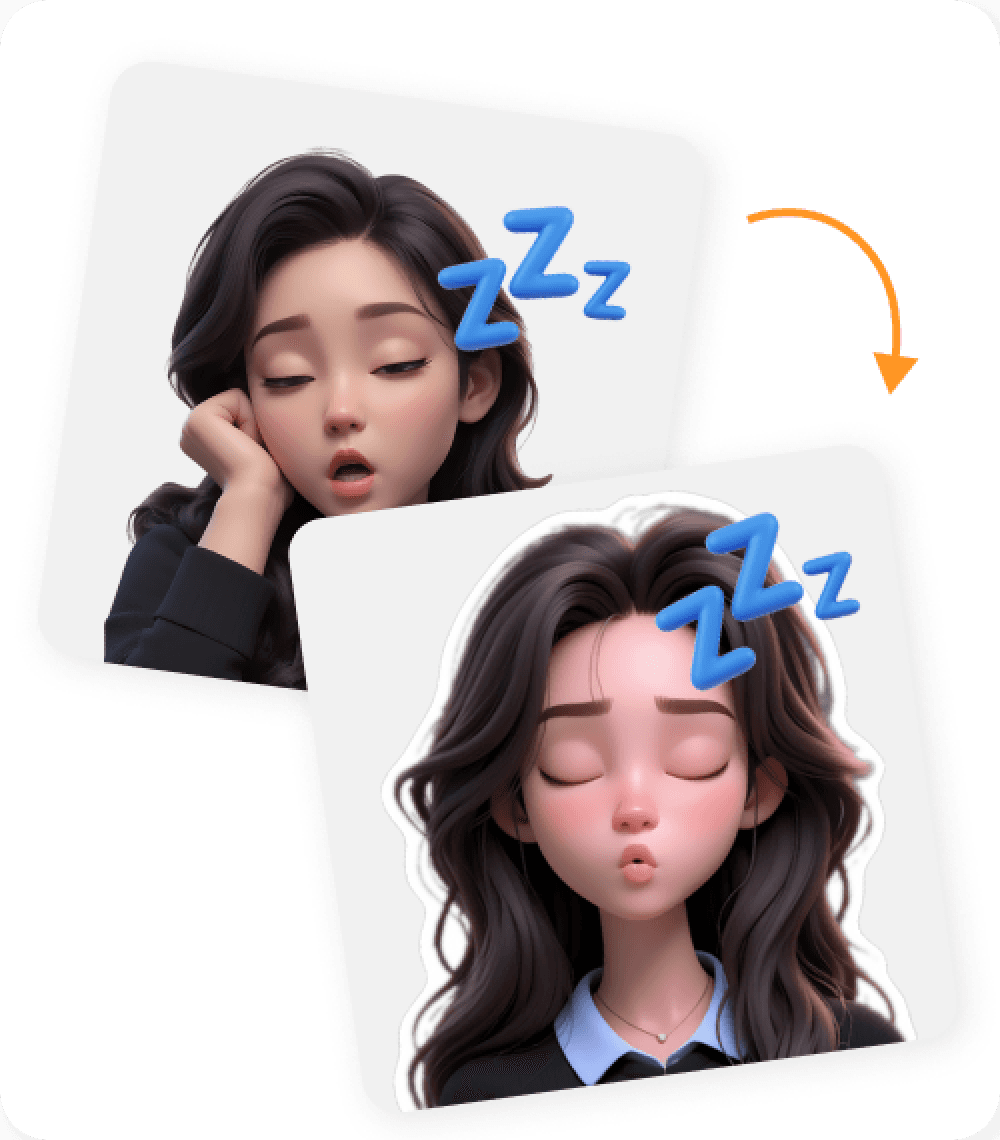
Following a LoRA model update, I worked on adapting and validating existing AI Stickers, taking ownership of updating and testing 9 expression states. Through prompt refinement, Expression Editor controls, and iterative ComfyUI workflows, I validated and optimized expression consistency and usability under the new model.
Project / Iteration Goal
Ensure existing AI sticker expressions remain recognizable, consistent, and usable after the model upgrade.
User Consideration
These stickers are used in fast-paced social interactions, where users rely on quick, intuitive emotional cues.
Process & Approach
1. Defining Expression Intent through References
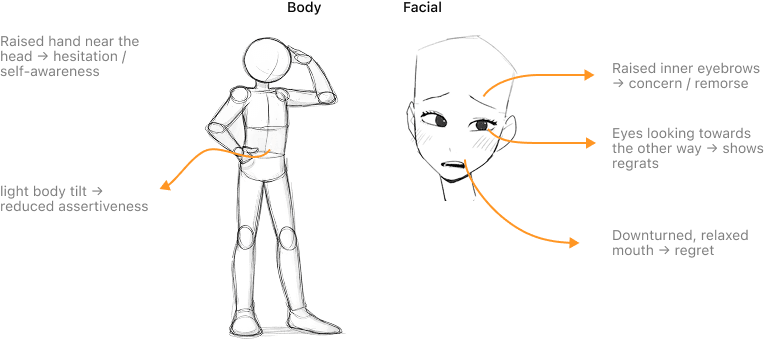
I began by collecting visual references that clearly represented the intended emotion or gesture for each expression. Rather than focusing on style, I prioritized references that conveyed recognizable emotional cues (e.g. mouth openness, eye direction, facial tension) aligned with the evaluation criteria.
Process & Approach
2. Prompt Refinement with AI Assistance
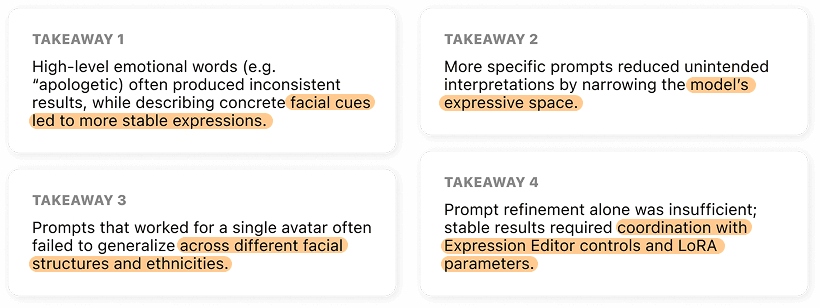
Using the selected references, I collaborated with ChatGPT to draft and refine prompts that explicitly described the desired facial expressions and emotional intent. Prompts were iteratively adjusted to reduce ambiguity and better align with the intended semantic meaning.
Process & Approach
Controlled Iteration via ComfyUI
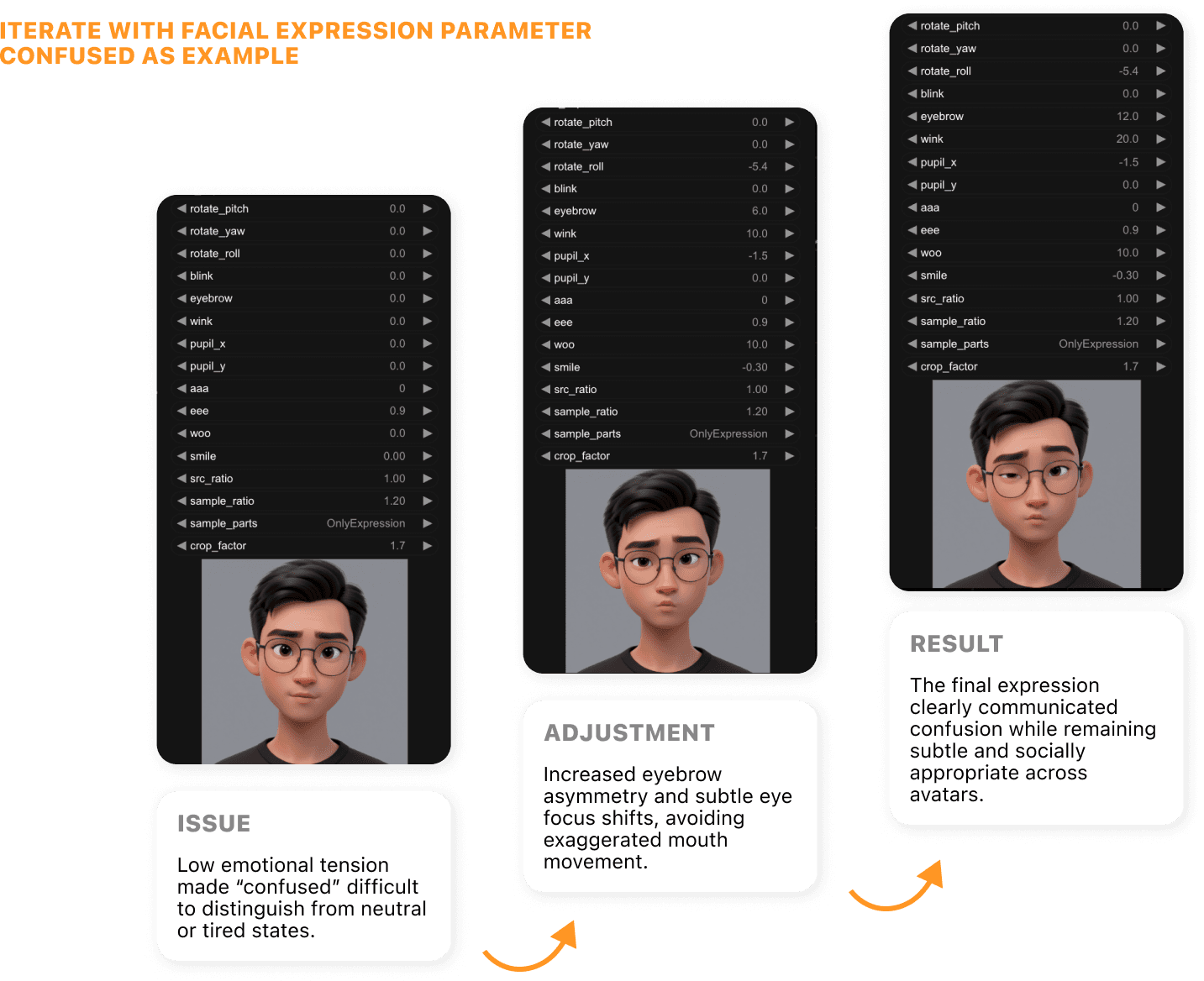
I then iterated using ComfyUI, running batch generations with fixed and varied seeds to evaluate output consistency. When inconsistencies appeared, I refined the generation pipeline by adjusting: Facial expression parameters, portrait model settings, LoRA weights and influence
Process & Approach
Large-Scale Batch Validation
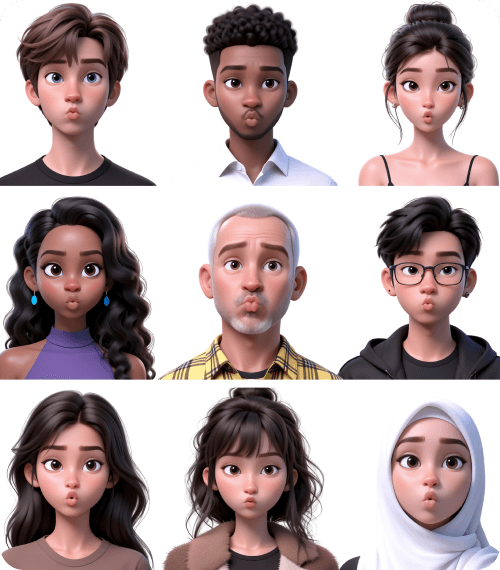
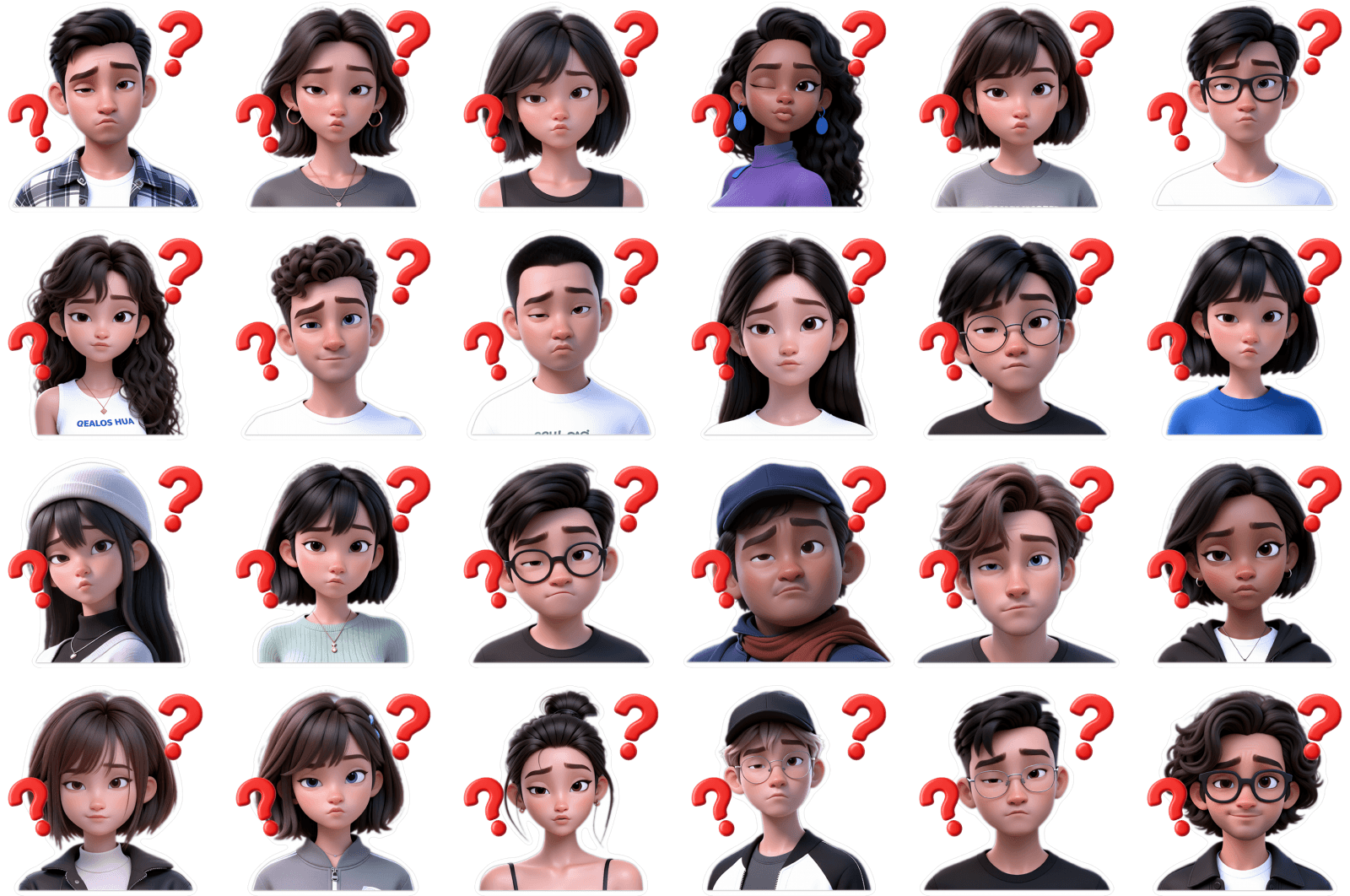
To validate consistency at scale, I conducted batch testing across 72 different avatars, covering diverse facial features and appearances. Results were reviewed to ensure: the intended emotion remained recognizable, expressions behaved consistently across identities, no significant semantic drift appeared across outputs.
Process & Approach
5. Iterative Refinement & Final Validation
Based on batch testing results, prompts and parameters were further refined until expressions achieved both emotional reliability and cross-avatar consistency under the updated LoRA model.
Design Decisions
Design decisions were guided by this severity framework, prioritizing fixes for semantic breakage while accepting minor visual variation to maintain stability and diversity.
Level 1 Semantic Breakage
The generated expression fails to communicate the intended emotion
The expression is interpreted as a different emotion entirel
Facial features or body gestures break or shift (e.g. misaligned eyes, distorted mouth, incorrect limb pose)

Body gesture break

different emotion
Level 2 Emotional Drift or Inconsistency
Intended emotion remains recognizable, but varies in intensity or clarity
Expression drifts across avatars or repeated generations
Emotional cues deviate from the original reference (e.g. weaker or exaggerated features)

Desired

Drifts across avatars
Level 3 Acceptable Visual Variations
Minor visual differences with no impact on emotion
Within acceptable stylistic or structural variation
No risk of misinterpretation
Desired

Acceptable
Outcomes
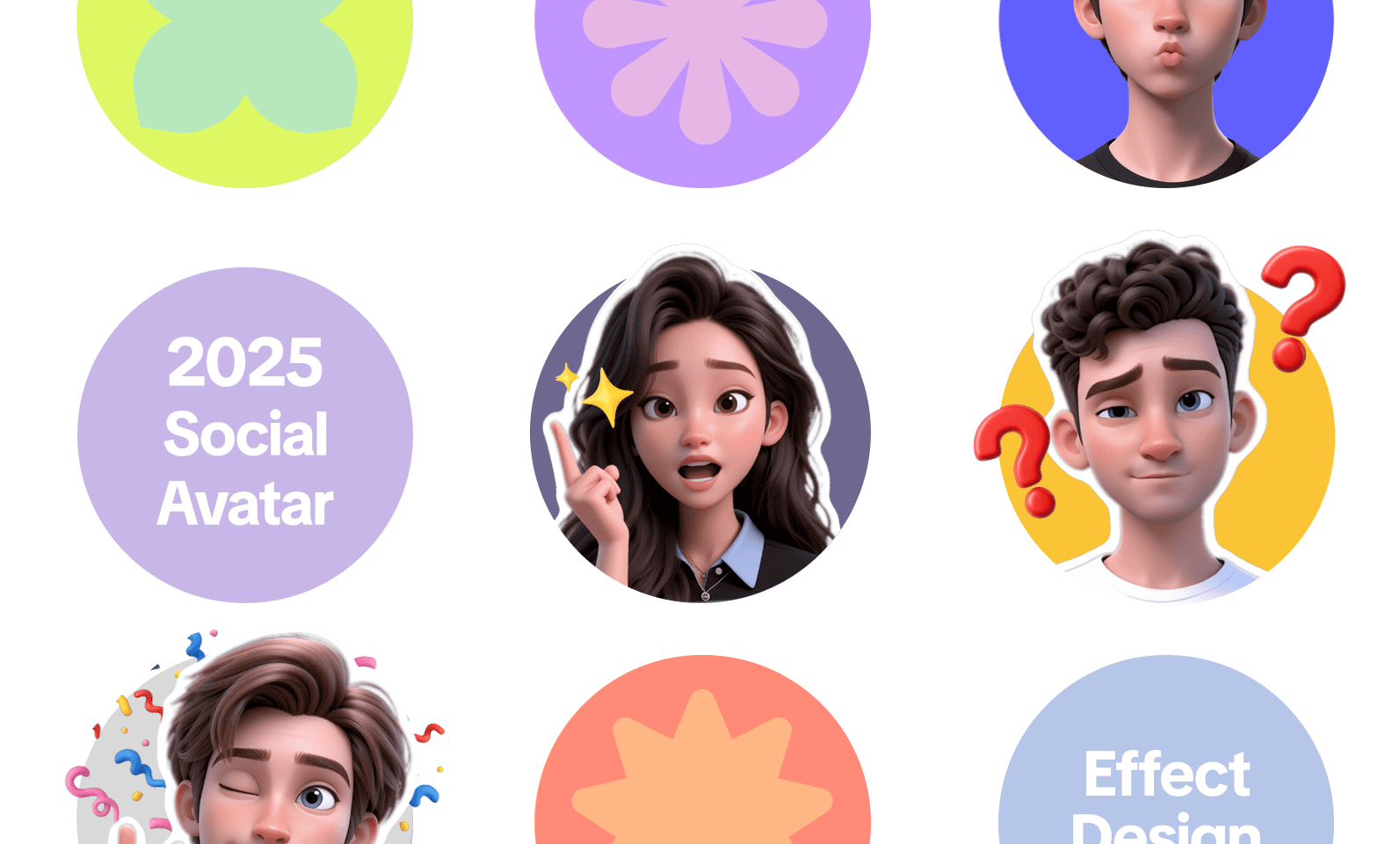
As a result, the updated stickers maintained clear and recognizable emotional behavior under the new LoRA model, allowing users to continue expressing themselves without relearning familiar expressions.
Reflections
This project shifted my focus from optimizing single outputs to evaluating how AI behaviors are experienced repeatedly over time.
This work highlighted the importance of building expression systems that remain consistent and interpretable across diverse identities at scale.
I learned that AI system upgrades are not purely technical changes—they directly affect how users interpret and trust expressive cues.