Project Detail
ArtCenter Fall 2024
Alienware Sponsor Studio
Team
Catherine Jia
Sunny Kim
Tyler Kim
Role
User Experience Researcher
User Experience Designer
User Interface Designer
Prototyper
Duration
14 weeks
Alienware Sponsor Studio
User Experience Design / User Interface Designer / Product Design
Overall
Over the fall term, I participated in an Alienware-sponsored studio project, where we were challenged to envision future-forward gaming hardware. Our goal was to explore how technology could support more meaningful, human-centered experiences for players. After conducting user and market research, our team decided to focus on creating more inclusive and expressive social interactions in both digital and physical gaming spaces.
Final Outcome
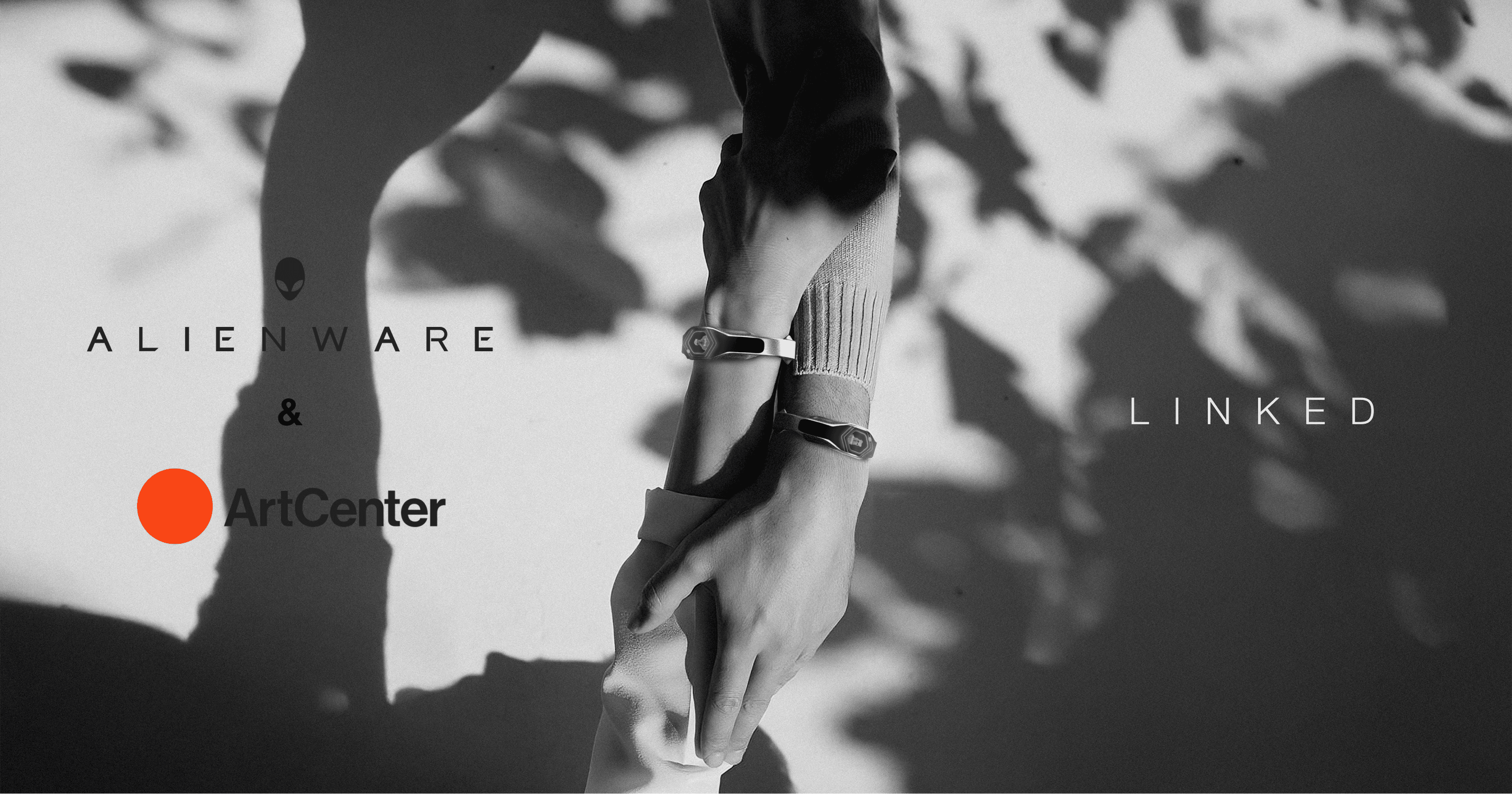
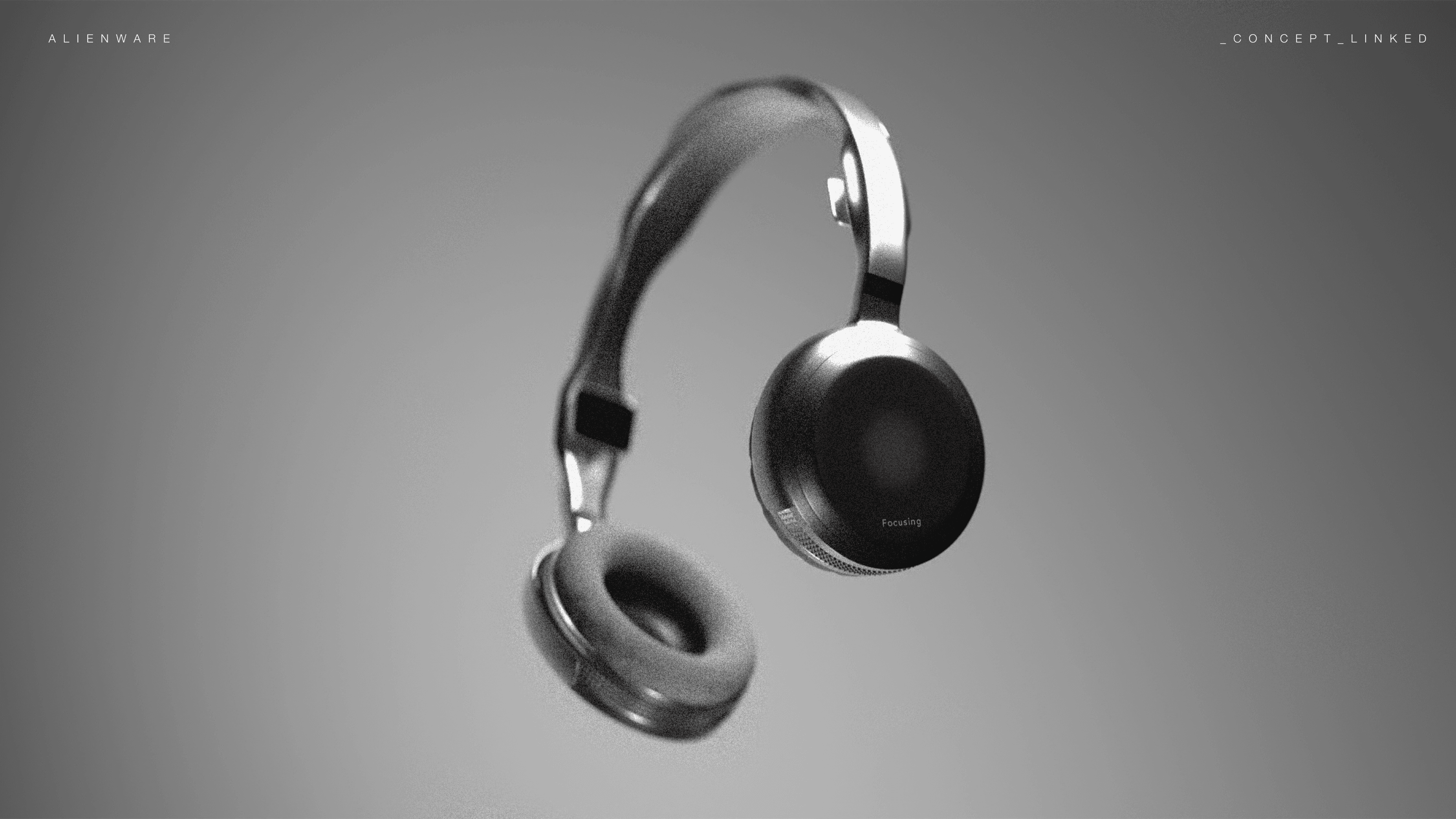
Our final concept, Linked, is a set of wearable devices and interfaces designed to help gamers—especially those with social anxiety—communicate their mood, availability, and social openness without relying on voice or text. The system uses biometric sensors and visual cues to create subtle yet effective social signals, enabling players to connect more naturally while feeling safe and understood. The concept includes AR-enabled headsets, LED-based status indicators, and interaction patterns designed for comfort in both online and offline environments.
My Contribution
Led user experience research and conducted interviews across different gamer profiles
Built user personas and affinity maps to synthesize social and emotional needs
Translated research insights into system requirements and design strategies
Created wireframes and interactive prototypes for early-stage concept testing
Collaborated cross-functionally on interface behaviors and hardware integration
Key Takeaways
Through multiple rounds of interviews and empathy mapping with socially anxious gamers, I learned how to incorporate emotional comfort and social context into interaction design, moving beyond purely functional solutions
I explored integrating biometric technologies—such as EEG brainwave sensing and micro-expression detection—into interface design, examining how they could be used to communicate social signals more intuitively
Prototype testing revealed the effectiveness of “low-visibility cues” like LED indicators and gesture-based triggers in reducing the communication burden and helping users express themselves with less pressure
Collaborating with peers from product design, visual communication, and hardware engineering helped me develop a more systemic mindset—translating behavioral insights into emotionally expressive hardware and UI solutions